- Anjali Jain
- November 13, 2025
- No Comments
Blog Details
Pregnancy is a life-changing experience, and preparing for childbirth can help ease the process. One of the most empowering things you can do during pregnancy is to prepare for a normal delivery through exercises, breathing techniques, and labour strategies. These preparations can help you stay calm, strengthen your body, and build confidence for the big day.
Here’s a guide to help you prepare for normal delivery, with focus on exercises, breathing, and labour techniques.
1. Exercises for Normal Delivery Preparation
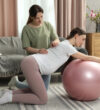
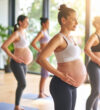
Regular physical activity during pregnancy is crucial for preparing your body for labour and delivery. Exercise helps to strengthen muscles, improve flexibility, and increase stamina, all of which are important when it comes time for the delivery. Below are some key exercises that can aid in your preparation:
Pelvic Floor Exercises (Kegels)
Kegel exercises help strengthen the pelvic floor muscles, which support the uterus, bladder, and bowels. Strong pelvic muscles can improve your chances of having a smoother delivery and a quicker postpartum recovery.
How to do it:
Pelvic Tilts
Pelvic tilts can relieve back pain and help strengthen the muscles around your pelvis. They also help in positioning the baby properly for delivery.
How to do it:
Squats
Squatting helps to strengthen the muscles in your lower body, particularly the thighs, hips, and pelvis. This exercise also helps to open the hips, which is essential for a smooth delivery.
How to do it:
Cat-Cow Stretch
This stretch promotes flexibility in your spine and helps ease tension in your back and abdomen, reducing discomfort during pregnancy.
How to do it:
Walking and Swimming
Low-impact activities like walking and swimming are excellent for overall fitness during pregnancy. These activities improve cardiovascular health, boost stamina, and keep your body flexible.
2. Breathing Techniques for Labour
Breathing techniques play a significant role in reducing anxiety and helping you manage contractions during labour. The right breathing methods can help you stay calm, focused, and energized as you move through each stage of labour.
Deep Breathing (Abdominal Breathing)
Deep breathing helps oxygenate your body and relax your muscles, reducing the discomfort of contractions. It also calms your mind.
How to do it:
This technique is particularly helpful during the early stages of labour when contractions are mild to moderate.
How to do it:
Panting (Light Breathing)
How to do it:
3. Labour Techniques for a Smooth Delivery
In addition to exercises and breathing, knowing what to do during labour is key to managing the experience. Here are some techniques to help you during the various stages of labour:
Positioning and Movement
Your body’s position during labour can significantly affect how efficiently labour progresses. Moving and changing positions frequently can help the baby move down the birth canal and reduce discomfort.
Relaxation and Visualization
Stress and anxiety can slow down labour. Using relaxation techniques like visualization can help you stay calm and focused during contractions.
Using Water for Relief
Warm water can help relax your muscles and provide comfort during labour. If you have access to a birthing pool or a warm shower, consider using water as a pain-relief strategy.
Conclusion
Preparing for a normal delivery doesn’t just mean physically getting ready for the big day; it also involves mentally and emotionally preparing for the experience. Exercises like pelvic tilts, squats, and Kegels, along with deep breathing, relaxation techniques, and the use of movement and positioning during labour, can all contribute to a more positive and empowering birth experience.
While every labour is different, being physically prepared, having a strategy in place for managing contractions, and feeling confident about your body’s abilities will go a long way in helping you have the natural birth experience you desire. Make sure to consult your doctor or midwife about the exercises and techniques that are most appropriate for you during pregnancy.